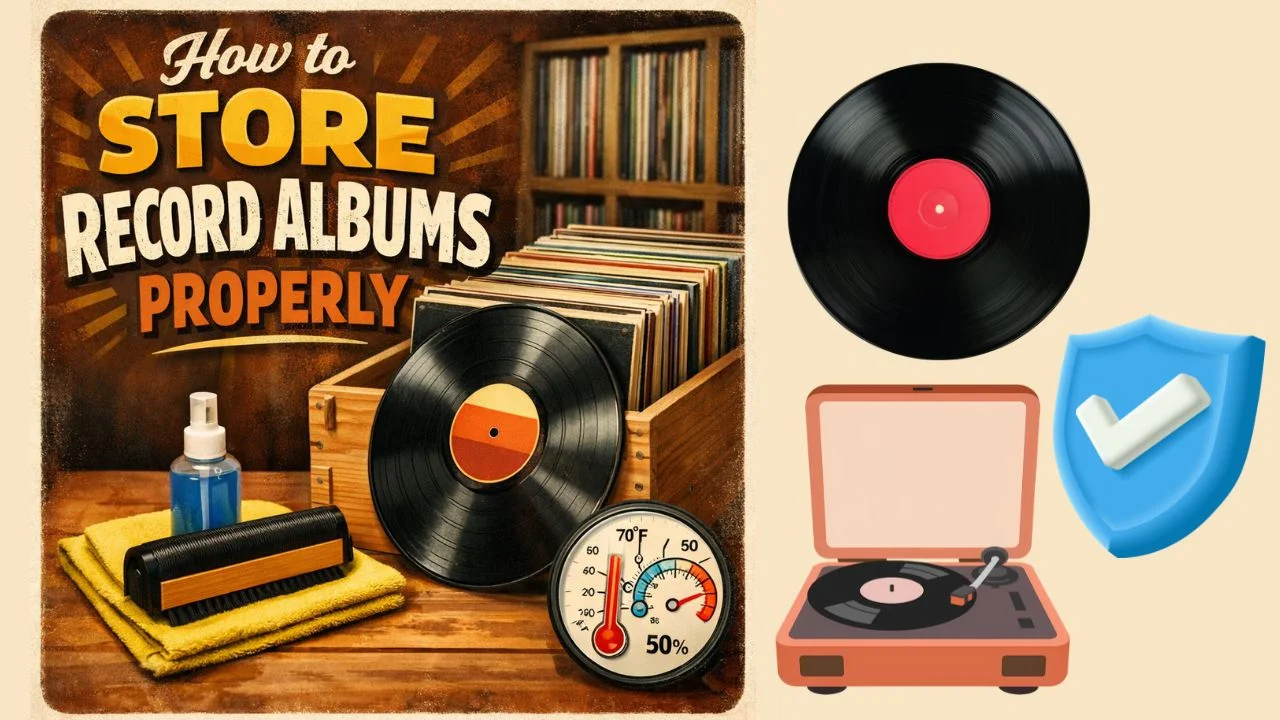
Vinyl records have experienced a powerful resurgence, attracting both nostalgic listeners and a new generation of music enthusiasts. But owning vinyl is not just about collecting; it’s about preserving sound quality, artwork, and long-term value.
Unlike digital formats, physical records are delicate, which means improper storage can quickly lead to damage. If you want your collection to last for decades, understanding how to store record albums properly is essential.
In this guide by Team Wooster Audio, you’ll learn how to store your record albums the right way to protect their sound quality, condition, and long-term value.
Why Proper Vinyl Storage Is So Important
Vinyl records are sensitive to environmental conditions and physical pressure. Even small mistakes, like stacking records or exposing them to heat, can cause permanent damage. Warped vinyl, scratched grooves, and worn-out sleeves not only affect the listening experience but can also reduce the value of your collection.
When stored correctly, however, records can last for generations. Many collectors still play records that are 40 or 50 years old, and they sound incredible. The difference always comes down to how they were stored and handled over time. Also learn how easy to connect any turntable here.
Always Store Records Vertically
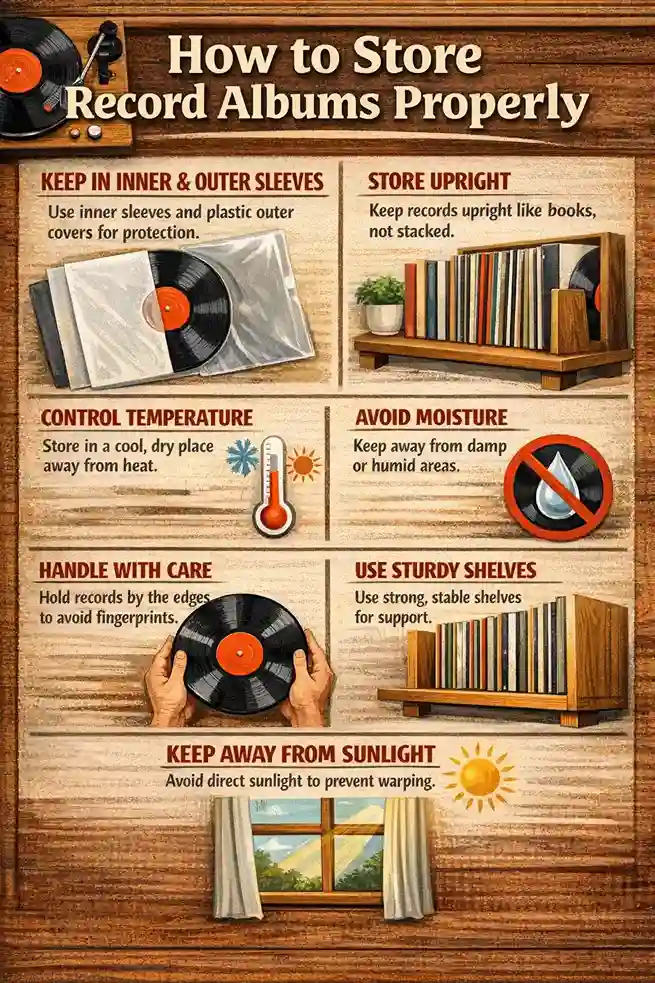
One of the most important rules in vinyl storage is to keep records upright. Think of your records like books on a shelf rather than plates in a stack. Storing them vertically prevents unnecessary pressure from building up, which can cause warping over time.
Horizontal stacking might seem convenient, especially when space is limited, but it puts weight directly onto the records at the bottom.
Over time, this pressure can bend them slightly, and even a small warp can ruin sound quality. Vertical storage keeps each record evenly supported and maintains its original shape.
Choose The Right Storage Furniture
Not all shelves are designed to handle vinyl records. Records are heavier than they appear, and weak shelving can bend under the weight. This not only looks untidy but also risks damaging your collection.
A good storage unit should feel sturdy and stable, ideally made from solid wood or reinforced material. The compartments should allow records to stand upright without leaning too much. If records start tilting, it creates uneven pressure, which can lead to long-term damage.
You don’t need anything overly expensive, but you do need something reliable. Investing in proper storage furniture is one of the smartest decisions a vinyl collector can make.
Control Temperature And Humidity
Environmental factors play a huge role in vinyl preservation. Records are particularly vulnerable to heat, which can warp them quickly, even within a few hours if conditions are extreme.
The ideal temperature for storing vinyl records is between 18 and 21 °C. Humidity should stay around 45 to 50 percent. These conditions help maintain the integrity of both the vinyl and the album sleeves.
Avoid placing your collection near windows, heaters, or direct sunlight. Sunlight can heat up records unevenly and fade album artwork. Similarly, damp environments like basements can introduce moisture, leading to mold growth on sleeves and even damage to the vinyl surface.
Sudden changes in temperature or humidity are just as harmful as extreme conditions.
Protect Records With Quality Sleeves
Original record sleeves are often made from paper, which doesn’t provide enough protection in the long run. Upgrading to better inner and outer sleeves can make a significant difference.
Inner sleeves made from anti-static materials help reduce dust buildup and prevent fine scratches. They also make it easier to slide records in and out without causing damage. Outer sleeves, usually made from clear plastic, protect the album cover from wear, fading, and accidental spills.
For collectors who value both sound quality and artwork, sleeves are not optional; they are essential.
Keep Your Records Clean
Clean records sound better, last longer, and maintain their value. Dust and dirt may seem harmless, but they can settle into the grooves and affect playback quality. Over time, this can lead to permanent wear.
Before playing a record, it’s a good habit to gently clean it using a carbon fiber brush. For deeper cleaning, occasional use of a vinyl cleaning solution can help remove stubborn dirt and residue.
Handling also plays a role in cleanliness. Always hold records by the edges or the center label. Avoid touching the grooves, as oils from your fingers can attract dust and degrade the surface.
Give Your Records Space to Breathe
It’s easy to get carried away when your collection grows and start packing records tightly into shelves. However, overcrowding creates unnecessary pressure and makes it harder to remove records safely.
Records should sit comfortably next to each other without being squeezed. A little breathing room reduces friction between sleeves and helps prevent bending or wear. It also makes browsing your collection much easier and more enjoyable.
Extra Care For Valuable Records
If you own rare or expensive albums, it’s worth taking additional precautions. These records often carry both sentimental and financial value, so keeping them in top condition is important.
Consider storing them in premium archival sleeves and placing them in a dedicated section of your collection. Limiting how often they are handled or played can also help preserve their condition over time.
Some collectors even maintain a separate “display” or “archive” setup for their most prized records.
Avoid Frequent Movement
Stability is often overlooked in vinyl storage. Moving records around frequently increases the risk of drops, scratches, and sleeve damage. It’s best to keep your collection in a fixed, organized space where everything has its place.
If you do need to transport your records, use protective cases designed specifically for vinyl. This ensures they remain secure and protected during movement.
Final Thoughts
Storing record albums properly is not complicated, but it does require consistency and attention to detail. Every step, from keeping records upright to controlling temperature, contributes to preserving sound quality and longevity.
Vinyl is a format that rewards care. When you take the time to store your records correctly, you’re not just protecting objects, you’re preserving an experience. The warmth, depth, and character of vinyl playback depend heavily on the condition of the record itself.
By following these simple yet effective practices, your collection will remain in excellent shape for years to come. Whether you’re building a small personal library or a large archive, proper storage ensures that every record continues to deliver the sound it was meant to.